Day 5
Why do people get nervous, or even angry, when someone suggests that a condition they have might be ‘psychosomatic’. Why is it such a bogey word?
I suppose the premise behind psychosomatic is that body and mind are normally separate. Normally when you get ill it’s got nothing to do with your mind, it’s just (just!) your body. So all you have to do is take a medicine to correct the problem, or at worst have an operation, and all will be well.
Great.
When they tell you it’s your mind, you reckon they’re telling you it’s your fault. They’re inviting you to feel guilty. If you don’t accept the accusation, you’re angry with the person who made it. You feel they’re trying to set themselves up as superior.
Of course it’s quite different if you head off to a shrink yourself. That means you’re a smart person with interesting personal problems who recognises he’s in difficulty. Respect. Going to a shrink can even increase yourself esteem. But hearing that you have problems you didn’t know about, problems you’ve repressed to the point that you’re made yourself ill and are now wasting the doctor’s precious time with stuff he can’t deal with because it’s not really to do with your body but with you, who wants that?
This attitude is all wrong. And the place it starts going wrong is the crazy idea that there’s any neat separation between you and your body. Maybe without language dividing the world up into separate letters, syllables, terms, it would have been harder to arrive at this nuttiness. Maybe if we weren’t obsessed about surviving our deaths (what an idea) it would be easier to live with our bodies.
Ill for two years with a mysterious array of abdominal pains, I got used to hearing alternately that I probably had cancer, or that it was all psychosomatic. There was even the chance that I had cancer and had brought it on psychosomatically.
Well, I’m not going to say here what it eventually was, only that the whole long experience and the big life changes it demanded, brought me to the conclusion that body and mind are never separate. Which doesn’t mean that your mind is always responsible for your illness, just that health and sickness are something body and mind do together, because they’re part of the same destiny. Rather than feeling guilty if we find there’s a component in our behaviour or mental state that’s contributing to pain, we should rejoice at the invitation to a new awareness and a happier lifestyle. Certainly it was a great stroke of luck for me when I finally figured out how completely I was getting life wrong.
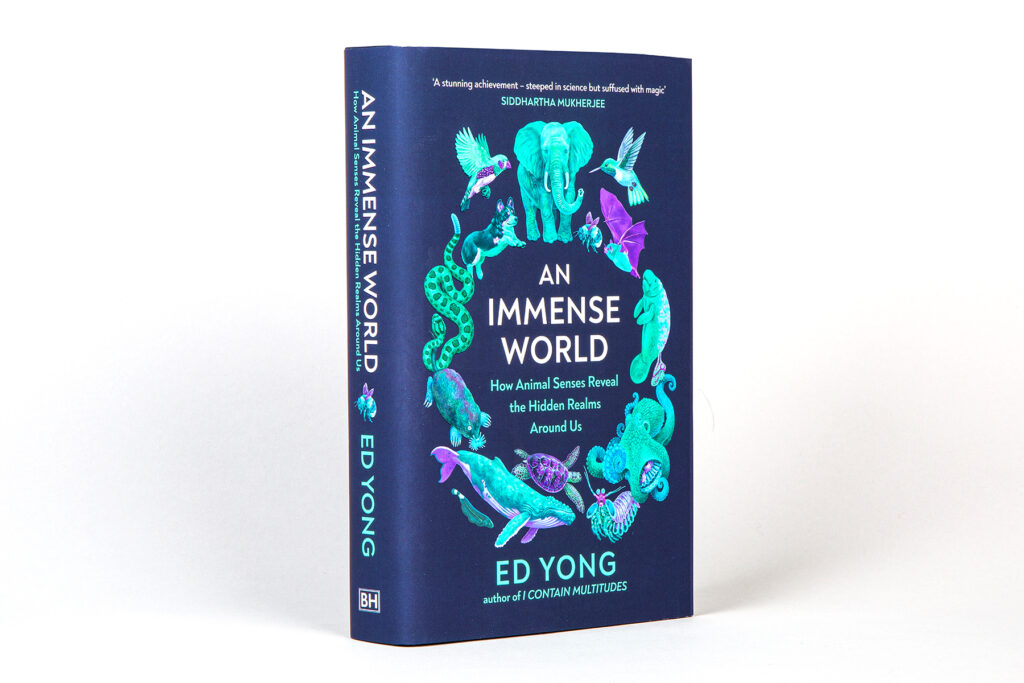
Teach Us to Sit Still is published by Harvill Secker on 1st July.
To visit Tim Parks newly designed website click here