Monday was a big day for UK publishing – the inaugural Vintage Open Day was held at the Random House building in Pimlico for anyone lucky enough to get a ticket. Luckily I was amongst the 30 budding publishers, writers and bibliophiles who saw the ad on Twitter and/or Facebook and leapt at the chance to see behind the scenes of the prestigious Vintage Books. And we weren’t disappointed.
Things kicked off with an introduction from Rachel Cugnoni, Publishing Director at Vintage Books, and then sped onto Dan Franklin, Publisher at Jonathan Cape, who talked to us all about the separate roles of publisher and editor, which was a veritable who-does-what-and-why, and a font of information for anyone trying to learn about the business. For instance, apparently US editors are far more ‘interventionist’ than UK ones, as illustrated by the recent publication of Raymond Carver’s Beginners, which shows his work before the US ‘edit’, and an agent is a necessity if you want to submit manuscripts, as 99% of the agent-less slush pile isn’t worth seeing. So pass the gate-keeper first. Also, keep in mind your potential sales figures when mentally calculating your desired advance (the publishers will): £10,000 is considered to be very good nowadays. So do it for the love, rather than the money. And be nice: at the first publisher-author face-to-face (the ‘beauty contest’, as it’s known), whether they can imagine themselves working easily with you is a big consideration for editors, and may affect their offer. So smile, and be prepared to accompany any short story collection submission with a promise of a soon-to-be-finished novel – publishers are most interested in short story collections if they believe they are ‘using the sprat to catch the mackerel’. Priceless stuff.

After that we were treated to an informative anecdotal session with Kevin Barry, author of City of Bohane, his literary agent Lucy Luck and Alex Bowler, a senior editor at Jonathan Cape. It was fascinating; both as an insight into the publishing process and also as a personal look into the professional experiences of how three very talented people work as a team. Kevin Barry is a loquacious man with a charming Irish lilt and an epic ‘Irish writer’s hat’, bequeathed to him by Seamus Heaney in some ancient Irish ritual, who was connected with Lucy Luck by way of a short-listed short story. This led to Barry’s inclusion in a popular anthology, publication in the New Yorker (read that story here) and the eventual sale of City of Bohane, his second finished novel, to Jonathan Cape. Alex Bowler, his editor from the point of sale, says he knows in 2-3 pages whether a book is a goer and that he and Kevin Barry first bonded over comic books and are now an established and very jovial team. Vintage Books like to support the career of the author, he said, not just sell individual books. Kevin Barry has found his home, I think, and his book is all but clutching at my leg to be read after hearing its early tag of ‘James Joyce meets Sin City’. Yes.
‘From the prose to the prosaic’ after that, according to Rowena Skelton-Wallace, Managing Editorial Director, although this doesn’t do any justice to the talk from her and Simon Rhodes, Production Manager, about the process involved in the making actual books. Copy-editing of text, which sounds massively interesting but requires a personality on the side of ‘anal’ to spot all those errant commas and factual/grammatical mistakes, is now mostly outsourced to experienced freelancers and apparently we all unconsciously associate typefaces with genres, and paper types with paperbacks, and so on. Late mistakes are costly and an in-house legal team is forever on hand to spot the libellous and swiftly whip it from the text.
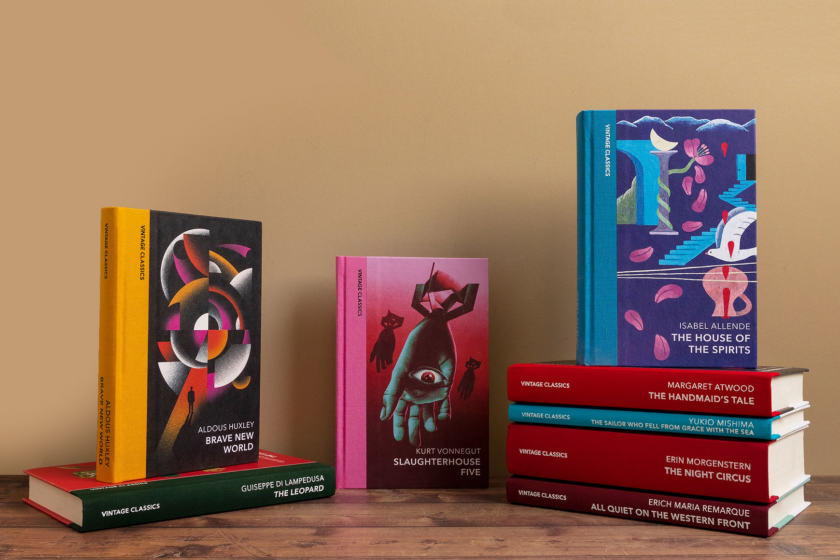
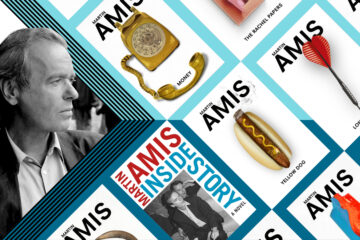
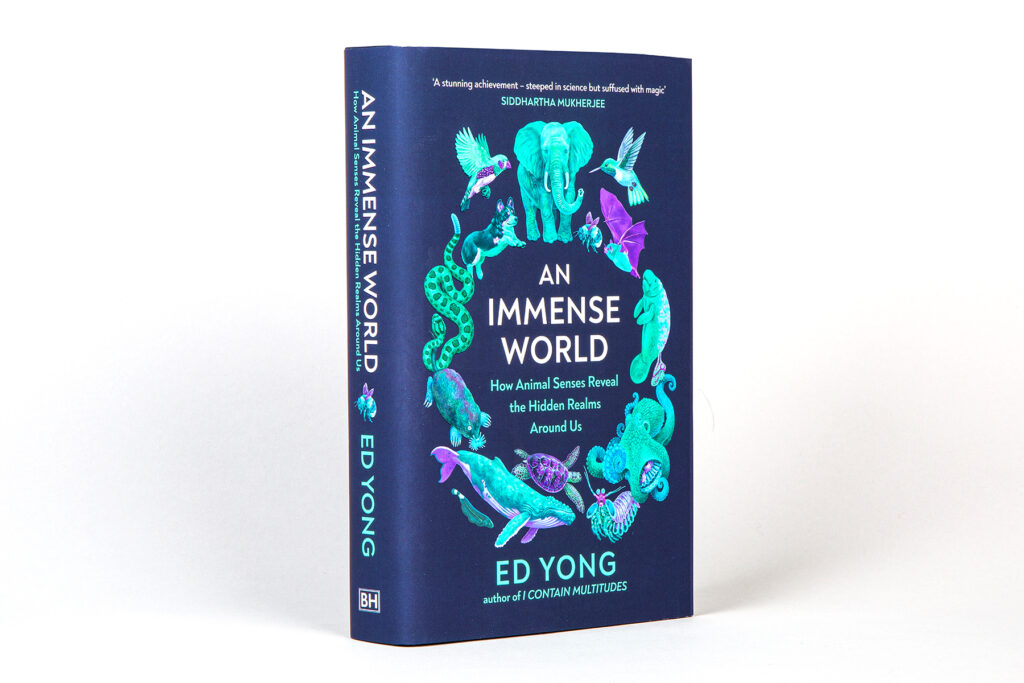
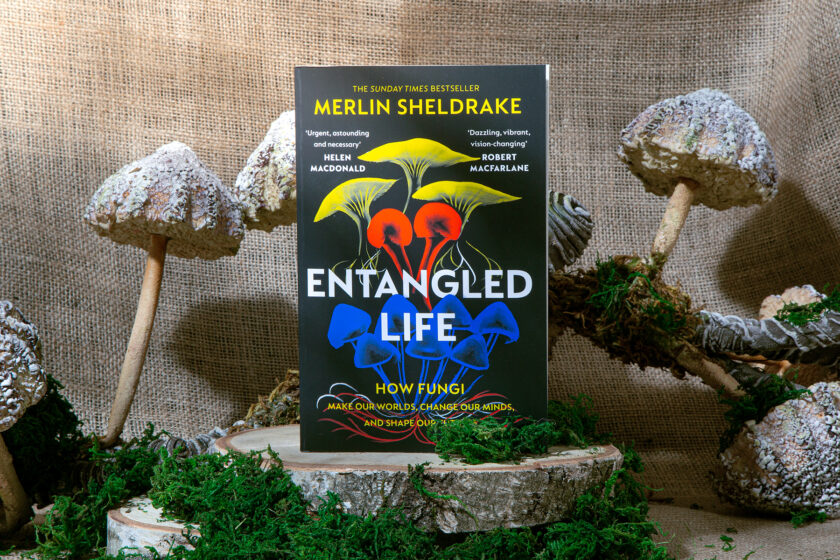
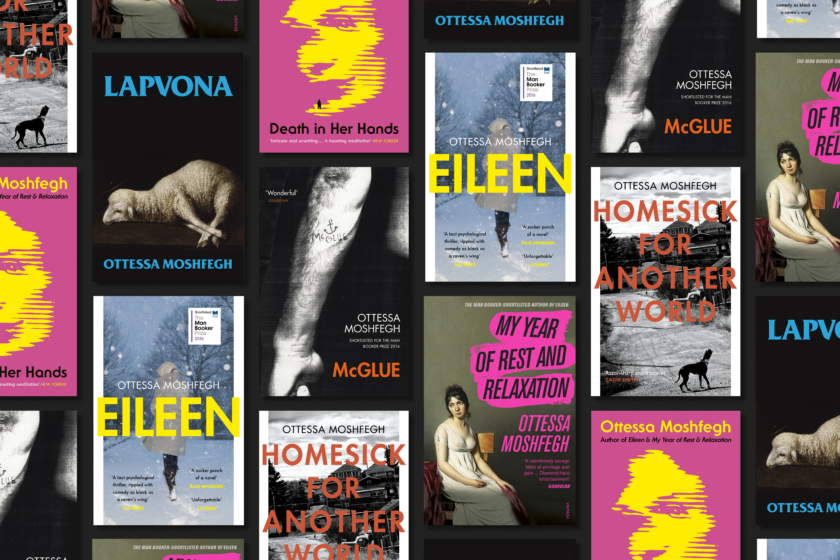
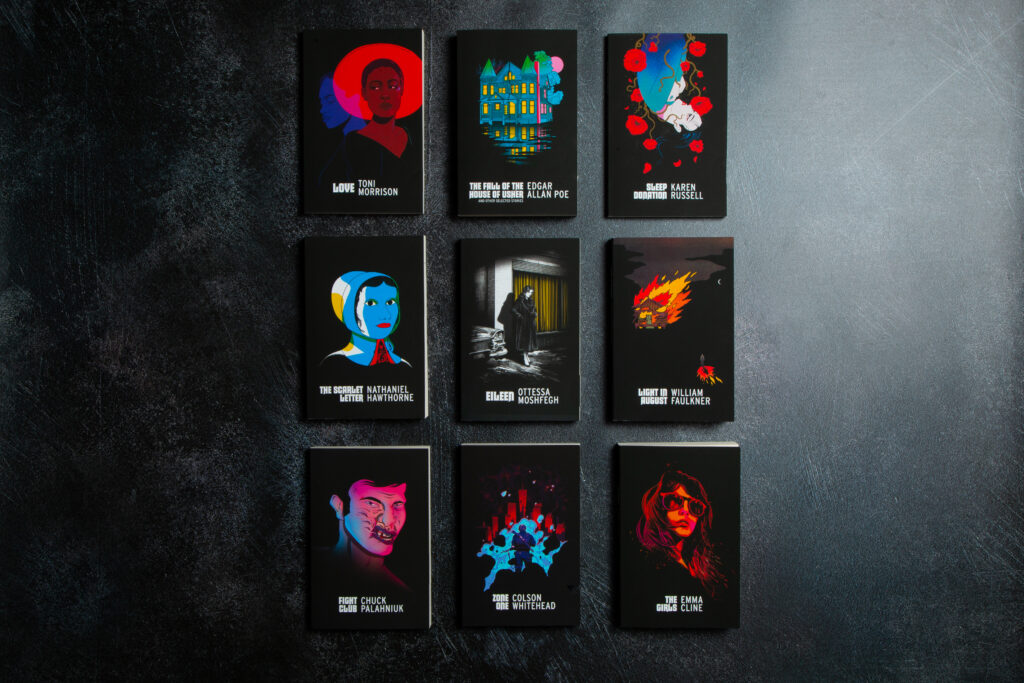
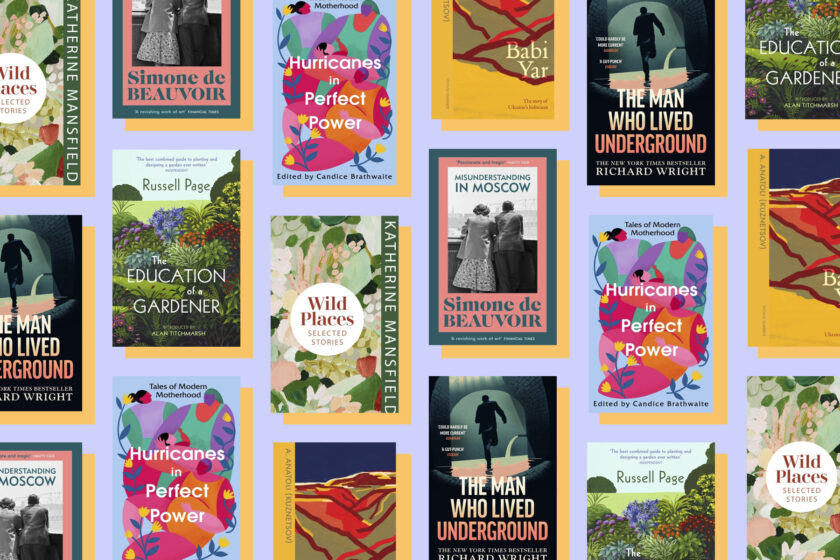
That text is then assigned a cover, as we heard from Laura Hassan, Editorial Director of the Vintage Classics, Stephen Parker and Matt Broughton: the team responsible for briefing and designing book covers and therefore actually selling the book to the potential reader in the 1.5 seconds (on average) available to them before the customer make a purchasing decision. Fascinating. Apparently book didn’t even have covers until 1830, when paper covers were made to protect the fabric, and it’s only in the last century that they’ve actually ‘attached’ themselves to that cover page. As a group, we played a revealing game of ‘spot the final cover’ from the final mock-up of Jennie Rooney’s Inside the Whale (we all got it wrong, prompting Rachel Cugnoni to ask ‘did we pick the wrong one?’) and it was a revelation to hear of the diverse influences on cover choices. Apparently the dog on the front of Vintage’s Oliver Twist is from the same set of pictures as the cover of The Pixies’ ‘Here Comes Your Man’ as thinking of the book’s themes brought this image up in Matt Broughton’s mind. Vintage’s hard- and paperbacks have different covers as the hardbacks feature more artwork, illustration and unusual typefaces to reflect their ‘collectable’ status, whereas the paperbacks are more commercial, which mainly means a photographic approach . A whole world of creative work goes into reflecting the particular magic of each book on its cover for all to see, it seems.
We then progressed to marketing and publicity before our delicious lunch, which explaining the kind of work that goes into make an author like Jo Nesbo a bestseller (it doesn’t just happen, peeps; there were an inordinate amount of covers and taglines as he was increasingly aligned with Stieg Larsson, for instance) and also the new virtual and social media streams that Vintage utilises with their smaller or more indie authors to brilliant effect. Campaigns like these can be planned up to a year in advance, although it’s usually more like 3-6 months, and all of these are aimed at hitting the elusive gold mine that is positive word of mouth. So if you like a book talk, blog, boast. Give it wings on social media, tweet to your heart’s content. Become one of the mind-boggling numbers of people, press and personal appearances that go into making a book a success.
Post lunch came sales, with Vintage’s Sales Director, Tom Drake-Lee, which led beautifully into a panel discussion of the future of books and book-selling with Patrick Neale, owner of Jaffé and Neale independent bookshop, one of the Vintage editors, a member of the Random House digital team, Dan Franklin, who we met earlier, and Kate Gunning, Vintage’s Key Account Manager for independent bookshops. There were positive and negative elements, really, with Patrick Neale considering e-books a secondary concern to independent bookstores, in comparison to the ‘death of the high street’, but there was a general consensus that independents must engage with the changes that are afoot. Publishing at present is much ‘like the Wild West’, without rules or general paradigms, and there is a feeling that no real predictions can be made on the future pricing of e-books as that wave has yet to crash. Now is a great time to be a writer in many ways, not so much in others. The same goes for publishers, it seems. Time will tell seemed to be the consensus on this debate.
The day rounded up with a two-handed discussion between the author Rose Tremain and her long-time editor Penny Hoare, who have worked as a team together since the submission of Rose’s first novel, Sadler’s Birthday, in 1975. Conversation is at the root of their partnership apparently, with epic talks teasing ideas and themes from Rose, who Penny took on in earnest after realising that Rose was ‘a novelist, not a diarist or an egomaniac,’ for her desire to leave her own existence and explore the lives of others, as she forms the novel in her head, . Talking about her books and ideas is so important as, according to Penny, ‘writing is not apart from life; it is life. When we are in lunch mode we start to talk about the characters as if they are real’. As a budding writer myself, I spent a great deal of this talk mentally air-grabbing and nodding in earnest. Rose reckons that ‘writing courses are marvellous because they take away the existential loneliness of being a writer’ and she is still at her happiest when she has a free day in her diary and is able to go into her study and write. There were great revelations (including the one that she is currently working on a sequel to her brilliant 1989 book Restoration) to top off a brilliant day.
Thanks to all the organisers, speakers and Vintage team members who made it such a great day; hopefully this will be the first of many to come!
You can read more from Lyndsay Wheble's blog here